

What is a stoma leakage?
Most people with a stoma will experience leakage at some point. Although it is common, it is not something you should have to deal with regularly, and persistent leakage is often a sign that something needs to be adjusted. If your stoma bag is leaking repeatedly, it can have a negative impact on your wellbeing. The good news is that in most cases, leakage can be managed with a few adjustments to your products or routine.
Stoma leakage occurs when output from your stoma does not enter your stoma pouch as it should. This can happen in different ways:
- Output gets trapped between your skin and the baseplate (also called a flange, wafer or skin barrier)
- Output seeps underneath the baseplate
- Leakage appears on your skin or clothes
- You notice output on the back of the adhesive when you change your pouch.
Leakage can range from a small leak you barely notice to a larger one that impacts your daily life. Either way, you should change your appliance if it has leaked and try to identify what caused it so you can prevent it from happening again.
Why do stoma bags leak?
Leakages can occur for a number of reasons. It is really important to determine a cause for your leaks, your Stoma Care Nurse will be happy to discuss this with you in further detail. Please do seek help and advice.
Poorly fitting appliances
Following surgery you may find that your abdominal shape changes, especially if you gain or lose weight. This will affect the size of the stoma, therefore it is very important that the size of your stoma is checked regularly. An ill fitting bag will result in sore skin. It is therefore important to regularly check your template size and suitability of your stoma bag.
If you do not feel comfortable doing this, then you should contact your Stoma Care Nurse, as they will be able to help you with the measurements of your stoma.
Changes in stoma output
A change in output from your stoma can cause issues with leakage. If the change in output continues for a number of days it is important for you to seek medical advice.
If you have a very high or liquid output, you may experience more frequent leakage. Consider emptying or changing your stoma pouch more often, and speak to your Stoma Care Nurse who may recommend dietary changes or medication to help manage high output.
Skin condition around your stoma
It is important to ensure that you are careful when removing your bag and gently clean around your stoma before drying thoroughly. If you are too vigorous, this can sometimes lead to sore skin. Removing the bag too frequently can sometimes also lead to the development of sore skin. Some people find it helpful to use adhesive remover spray or wipe to assist with removing the bag.
It is also important that you dry your skin thoroughly before applying your stoma bag. If the skin is too moist then this can also cause stoma bag leakages.
If the skin around your stoma becomes red, itchy, or moist, your pouch may struggle to stick properly, which can lead to leaks. Rather than trying to cover the sore skin, it is important to check that your bag is cut to the correct size and fits snugly around your stoma. If your skin is moist or broken, your stoma care nurse may advise you on using a protective stoma powder to dry the area before applying your next bag.
Changes in stoma height (Flush stomas)
Leaks can also happen if your stoma changes shape and becomes flush (level with your skin) or sinks slightly below skin level. When this happens, output can easily sneak underneath the sticky baseplate.
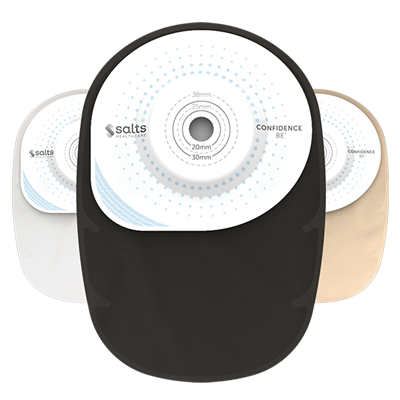
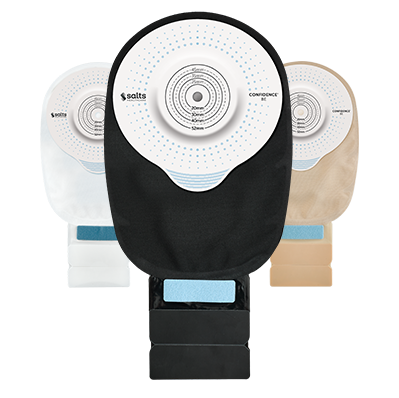
If your stoma has become flush, your stoma care nurse may suggest switching to a convex bag. These pouches have a specially curved base that gently pushes the skin around your stoma back, helping the stoma stand out so the output flows safely into the bag.
Please note: You must seek a Stoma Care Nurse assessment before using a convex product.
How to prevent and manage stoma leakage
Here are practical steps you can take to prevent leakage:
- Empty or change your stoma bag regularly, adapting to your personal output and routine
- Ensure the baseplate hole fits your stoma snugly, not too loose and not too tight
- Keep your skin clean and completely dry before applying a fresh pouch
- Use adhesive remover products to gently remove your appliance without damaging skin
- Consider using supporting products such as stoma paste, seals, or barrier films if needed
- Review your diet if you feel high output is causing leaks; speak to your Stoma Care Nurse about dietary changes.
Top tips video: Reducing pancaking
Pancaking occurs when thick stool gets stuck around your stoma. This happens because the filters are excellent at removing wind, which can completely flatten the bag. Combined with thick output, this creates a vacuum with no internal space or air cushion for the stool to drop down into, often leading to a leak.
Watch the video here:
What stoma bags and additional products are available to help prevent this?
There are range of stoma bags available which are specifically designed to counteract the problems experienced with these types of stomas, such as Confidence BE® Soft Convex.
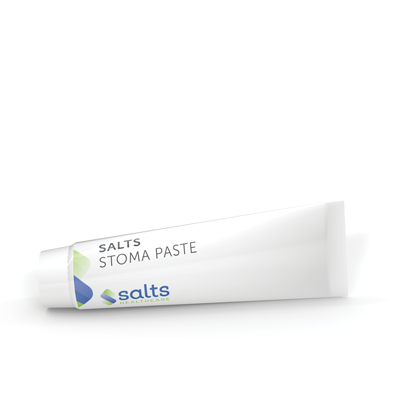
We also have our Salts No-Sting Stoma Paste- a stoma paste which can even the surface on the skin, fill any creases or folds in the skin around the stoma. This helps to create a better seal; reducing the chance of faeces leakages beneath the flange.
https://www.salts.co.uk/products
https://www.salts.co.uk/your-stoma/after-your-surgery/skin-care
It is vital that before using a convex product you are assessed for its suitability by a Stoma Care Nurse.
When to seek help
If you are unsure what issue might be causing your stoma bag to leak or your stoma bag continues to leak, then you should contact your Stoma Care Nurse immediately.
If you are unsure on how to correctly change and wear your stoma bag, then please visit our dedicated pages:
How to change your stoma bag
How to wear your stoma bag correctly
Frequently asked questions
Why does my stoma bag leak at night?
Many ostomates experience more frequent leakage at night. This is usually because they do not empty their bag as often overnight. Here are some steps to help:
- Empty or change your stoma bag just before bed
- Consider setting an alarm to remind you to change or empty your bag during the night
- Eat your final meal of the day earlier and keep it smaller to reduce night output
- Avoid sleeping on your stomach, as this puts pressure on your stoma and pouch
- Discuss with your Stoma Care Nurse about using a night drainage system if you have a urostomy
How often should I change my stoma bag?
There is no set rule, as it depends on your stoma type and output. As a general guide, aim to empty your bag when it reaches around half full to prevent leakage. If you use a two-piece system or drainable bag, you can typically wear your baseplate for around 3 days before changing it, which helps minimise the impact of repeated adhesive removal on your skin.
Can leakage happen if I exercise or swim?
Yes, increased activity, sweating, and movement can sometimes cause leakage. To help prevent this:
- Empty your pouch before exercise
- Wear close-fitting clothes to keep your pouch snug against your body
- Consider using flange extenders to increase the adhesive area
- Wear support garments designed for ostomates if needed

 medilink.png)
Register with the Medilink® Home Delivery Service
Get your stoma bags and additional products delivered directly to your home with Medilink®, our stoma prescription dispensing and home delivery service.
Sign up to our monthly e-Newsletter!
Subscribe NOW to our newsletter and be kept up-to-date with all things Salts Healthcare.