.png)
Stoma diet advice
After your surgery you may find your appetite is reduced, but it is still important to eat little and often to help your recovery. You should be able to eat normal foods and return back to the food you enjoyed before your surgery.
Living with a stoma doesn't mean living with a restricted diet. What does change is how your body handles that food, and this depends on the type of stoma you have.
Eating and drinking with an ileostomy or colostomy
If you have recently had an ileostomy, certain foods will alter the consistency of your output, therefore what you eat plays an important part in controlling the output.
You should aim for a porridge-like consistency, which can be easier to manage. Some foods can cause stoma blockages, so should be avoided or eaten with caution.
The first few weeks after surgery
Your appetite may be reduce after your surgery, so eat little and often to support your recovery.You are also likely to have lost weight so it is important to increase your intake of calories, fat and protein to aid your body’s healing process.
In addition to your normal diet, you should look to include the following foods:
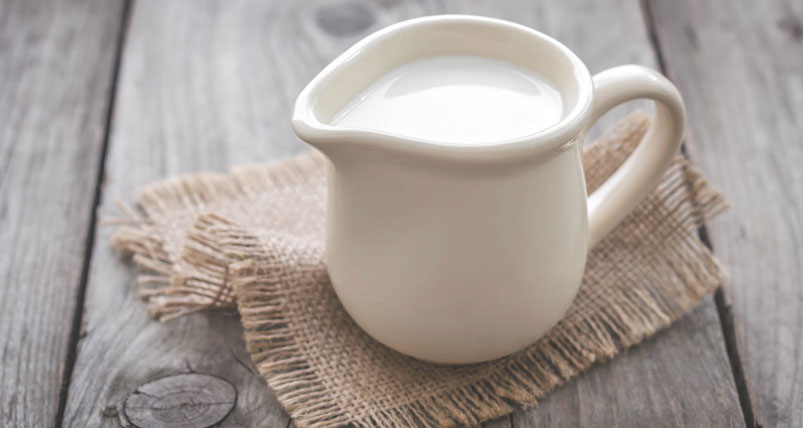
- Full fat milk and cheese
- Double cream (add to soup, mashed potato and puddings)
- Snack on biscuits and cakes
- Foods high in protein each day such as fish, tender meat and eggs
- Regular drinks to avoid dehydration
Reintroduce foods one at a time so you can see how each one affects you. If something upsets your stoma, it may be a one-off, so try it again a couple of weeks later before deciding to avoid it altogether.
Diet and hydration with an ileostomy
An ileostomy is formed from the small bowel, so food leaves your body before the large bowel has had a chance to absorb water from it. Output is naturally looser, and diet has a noticeable effect on both consistency and hydration.
With an ileostomy, the aim is for your output to be thick rather than watery, which is easier to manage. Chewing thoroughly, eating at regular times and drinking between meals rather than with them can all help.
Foods to avoid with an ileostomy
The following foods are known to increase the risk of food blockages, so extra care should be taken:
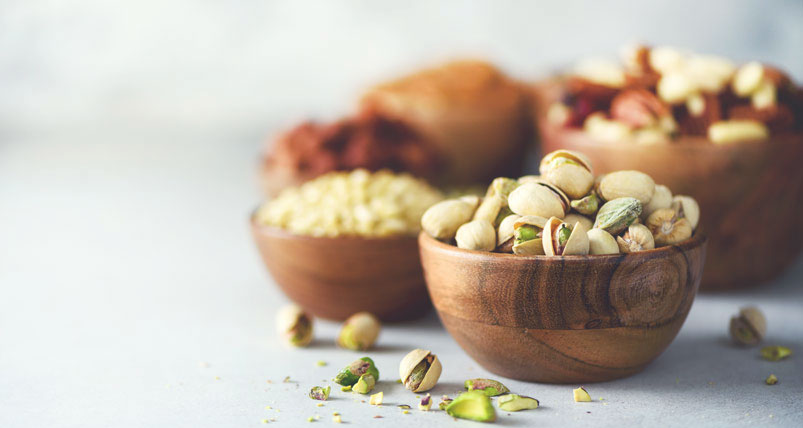
- Nuts
- Coconut
- Celery
- Mushrooms
- Sweetcorn
- Raw fruit skins
- Bean sprouts and bamboo shoots
- Dried fruit such as currants and raisins
- Pith, pips and stones
- Popcorn
You don't have to avoid these forever. Many people manage them well once they've recovered, as long as portions are small and everything is chewed really well.
Foods that may thicken your output
- Starchy foods such as: white rice, pasta, white bread and potatoes
- Very ripe banana
- Live yoghurt
- Cheese
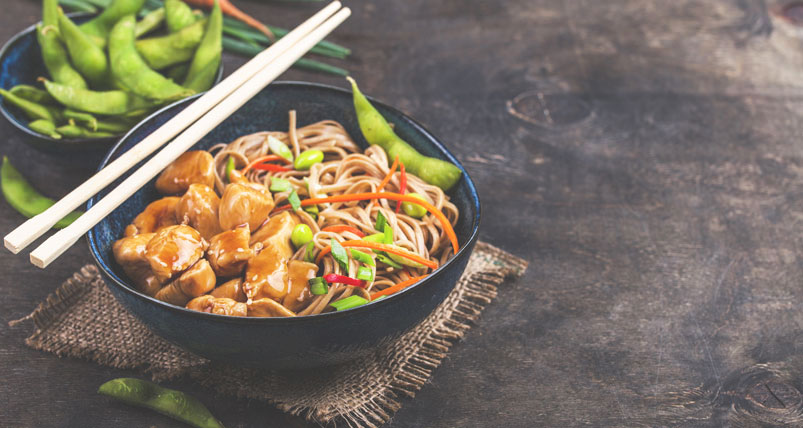
- Noodles
- Tapioca and other milk puddings
- Smooth peanut butter
Foods that may loosen your output
- Green vegetables
- Spicy foods
- Raw fruit
- Fruit juices
- Wholemeal varieties of foods
Keep alcohol to a minimum as it can cause loose output.
Tip: Cooking fruit breaks down the fibre in it, so stewed fruit is often easier to tolerate than raw.
Potential digestive issues:
Spotting a blockage
Some foods can swell in the bowel and may cause a stoma blockage. This will cause your ileostomy to stop working normally.
Seek urgent advice from your Stoma Care Nurse, NHS 111 or GP if you notice:
- Stoma output slowing, stopping or containing large amounts of watery fluid
- Pain or cramping
- Feeling or being sick
- A swollen abdomen
- A stoma that looks swollen or bigger than usual
- Reduced wind or none at all
If you suspect a food blockage, stop eating solid foods. While you wait for advice, you could try sipping on fluids, taking pain relief, gently massaging your abdomen and walking around.
 Managing loose output
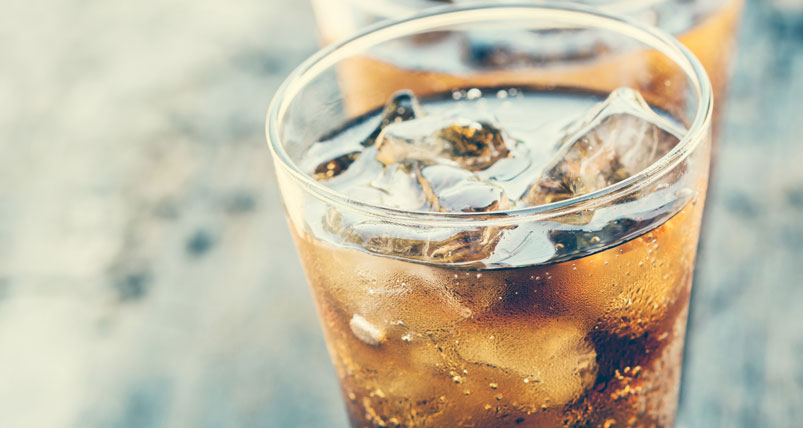
Loose output can be caused by diet, medication, an infection or feeling anxious.
Try the thickening foods above and keep your fluids up. If you take anti-diarrhoeal medication such as loperamide (Imodium), tablets, liquids or melts are a better choice than capsules, as capsules may not break down properly in the small bowel. Ask your doctor or pharmacist whether you can have one of these instead. If capsules are all you have, keep taking them as prescribed. You can open the capsule and mix the contents with a little water or a spoonful of yoghurt to help it work.
Contact your Stoma Care Nurse or GP if loose output lasts more than a day or two.
Staying hydrated with an ileostomy
Because your output no longer passes through the large bowel, where most water and salt are absorbed, you lose more fluid and salt than you did before surgery. .Dehydration is a condition that occurs when the loss of body fluids, mostly water, exceeds the amount that is taken in and severe dehydration can be life threatening.
Signs to watch out for:
- Increased thirst
- Dry mouth
- Weakness or lethargy
- Confusion, sluggishness or fainting
- Decreased urine output
To stay hydrated, aim to drink 8 glasses or mugs of fluid a day, sipped steadily rather than in large amounts at once. With an ileostomy, plain fluids such as water and tea may not always be enough on their own. Oral rehydration solutions contain the right balance of water, salt and sugar, so they are absorbed quickly, and they can form part of your daily fluids, especially in hot weather, when you are active or when your output is loose. Ask your Stoma Care Nurse which one is right for you.
Salt helps your body to absorb fluid, so it can be helpful to include salty foods such as Bovril or Marmite on toast or as a drink, or salted crisps. If you have been advised to limit your salt intake because of another condition, speak to your Stoma Care Nurse or GP first.
The colour of your urine is a helpful guide. You are aiming for a very pale yellow. If it is getting darker, try to drink more fluids. If it is completely clear, you may be drinking too much plain water
Diet and hydration with a colostomy
A colostomy is formed from the large bowel, so water is still absorbed from your food and your output will be firmer. Diet needs less adjusting than with an ileostomy, and most people find constipation, wind and odour are the more common concerns.
Avoiding constipation
Constipation can be caused by various reasons, such as some medication, diet, lack of mobility and lack of fluids.
To reduce constipation:
- Increase your intake of fruit and vegetables
- Eat wholemeal and wholegrain products
- Drink plenty of fluids - approximately 2 litres each day
- Take some gentle exercise
- Try fruit juice or prune juice
- Try a mild laxative
Contact your Stoma Care Nurse or GP if constipation persists or for more tailored advice.
Managing wind
Cabbage, cauliflower, sprouts, beans, lentils and pulses, onions, spicy foods, fizzy drinks and chewing gum can all increase wind. Leafy green vegetables often cause more wind in the early days, so instead try root vegetables such as carrots, parsnips and sweet potatoes.
To reduce wind:
- Avoid talking and drinking whilst eating and keep your mouth closed whilst chewing
- Avoid drinking with a straw
- Eat regularly and avoid long gaps between meals
- Drink fizzy drinks only when flat
- Try drinking peppermint drinks such as cordial or tea
- Eat one carton of live yoghurt per day, ideally natural
- Stay mobile
- Avoid smoking
If you experience ballooning, explore Confidence BE®. Its filter is designed to keep letting wind escape and to help neutralise odour.
 Reducing odour
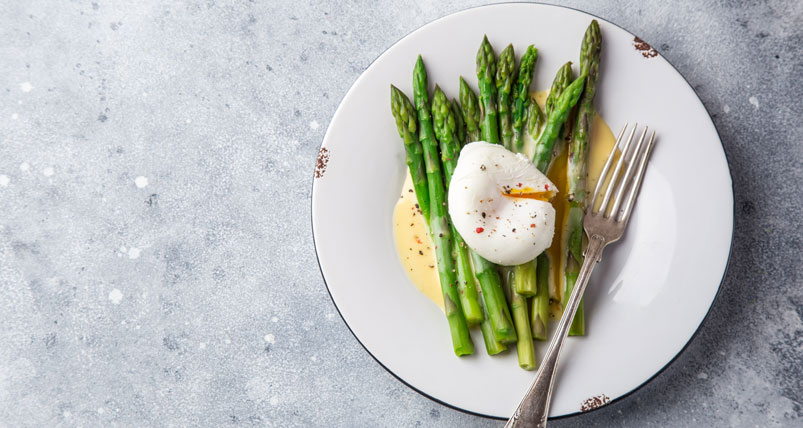
Fish, eggs, onions, cabbage, garlic and asparagus can all cause odour. To help reduce odour, you can try the following:
- Live yoghurt
- Peppermint oil capsules (available from chemists and health food shops)
- Peppermint cordial, diluted to taste
- Peppermint tea
Diet and hydration with a urostomy
Food doesn't pass through a urostomy, so diet has far less effect on it. Fluid is what matters most.
How much to drink
Aim for around two litres a day, so your urine stays pale and keeps flowing freely. Good fluid intake helps flush the urinary tract, reduces the risk of infection and helps clear the mucus that is normally present when a section of bowel has been used to form your urostomy.
Foods that change colour and odour
Asparagus, fish, onions, garlic, spices and coffee can all make urine smell stronger. Beetroot can turn it pink, which is harmless.
Some people find cranberry or orange juice helps with odour, though if you take warfarin, check with your GP or pharmacist before drinking cranberry juice regularly.
 When to get advice
Contact your Stoma Care Nurse or GP if you experience any of the following as they can be signs of a urinary tract infection:
- Cloudy or strong smelling urine
- Back pain
- A temperature
- Feeling generally unwell
What does a balanced diet look like with a stoma?
Most people return to a varied diet within a few weeks of surgery. Ongoing dietary advice includes:
- Eat and drink regularly
- Include fruit and vegetables daily
- Have foods high in protein each day such as meat, fish, eggs, cheese, milk or yoghurt
- Include carbohydrates with each meal such as bread, potatoes, pasta, rice and breakfast cereals
- Include milk and dairy foods two to three times per day as they are rich in calcium – choose lower-fat varieties as a healthier option
Will I get the same digestive problems I had before surgery?
Usually, yes. People with a colostomy or an ileostomy will experience the same common digestive issues that they may have had before their surgery, such as wind, odour, constipation and diarrhoea. For those with an ileostomy, this also includes loose output.
Why is my ileostomy output so watery?
Usually because of something you've eaten or drunk, a change in medication or a bug. Try thickening foods, keep your fluids up, and contact your Stoma Care Nurse if it doesn't settle within a day or two .
How long after eating will my stoma work?
It varies from person to person, though an ileostomy often becomes active within a few hours of eating, while a colostomy tends to work less frequently and less predictably. Keeping a note of what you eat and when your bag fills helps you plan around meals, work and sleep.
Can I eat out or have a takeaway?
Yes. If you're eating somewhere unfamiliar or have plans afterwards, it's worth avoiding anything very spicy, very fatty or high in fibre, and sticking to foods you already know suit you. Eating earlier in the evening gives your stoma time to settle before bed.
Can I drink alcohol with a stoma?
In moderation, yes. Alcohol can loosen ileostomy output and beer can increase wind, so drink water alongside it and see how you feel.
Can I follow a vegetarian or vegan diet with a stoma?
Yes, though pulses, beans, lentils, nuts and seeds feature heavily in plant-based diets and can increase wind or, with an ileostomy, the risk of a blockage. Ask your Stoma Care Nurse for a referral to a dietitian, who can help you plan meals that meet your protein and nutrient needs.
Do I need to take supplements?
Not necessarily. Absorption can be affected depending on how much bowel was removed, so ask your Stoma Care Nurse or GP before starting any supplement.
 medilink.png)
Register with the Medilink® Home Delivery Service
Get your stoma bags and additional products delivered directly to your home with Medilink®, our stoma prescription dispensing and home delivery service.
Sign up to our monthly e-Newsletter!
Subscribe NOW to our newsletter and be kept up-to-date with all things Salts Healthcare.