
.png)
Waking up after your stoma surgery
When you wake up after your stoma operation, you will feel tired. It is possible that you may experience a range of emotions during this time and for some time afterwards. This will vary as we are all different.
Please remember: It may take a while for you to recover, both physically and emotionally.
What to expect immediately after surgery
Your stoma nurse will visit you after your operation. They will explain what has happened, answer your questions, and support you every step of the way. Look at these first few days as a time for whole-body healing and gaining back your strength.
You may notice:
- Your new stoma may look different from the ideal images you may have seen. Right after surgery, expect it to appear quite swollen, shiny, and deeper red or darker in colour than you might expect
- There may be some output from your stoma, even if you have not eaten much. It may also take time for the stoma to begin working and the hospital staff will monitor this closely
- You might feel tender around the surgical site
- Your emotions may feel unpredictable - this is a normal response to major surgery
With helpful support and guidance from your Stoma Care Nurse, you will learn how to correctly change your stoma bag, take care of your skin around the stoma and how to adjust to life wearing a stoma bag.
Understanding your type of stoma
Understanding your specific type of stoma helps you predict how it will function, giving you the confidence to know what is normal for your body
Below you will find essential information for different types of stoma:
After Colostomy Surgery
After Ileostomy Surgery
After Urostomy Surgery
.png)
.png)
Taking care of your stoma
Learning to care for your stoma is one of the most important skills you will develop in the weeks after surgery. Alongside your Stoma Care Nurse, the ward staff will teach you, but it can feel daunting at first - this is completely normal.
How often should you change your stoma bag?
Everyone has different requirements when it comes to changing their stoma bag. Some bags will need changing several times per day and others every 2-3 days. Your Stoma Care Nurse will advise on what is right for you based on:
- The type of stoma you have
- The products you are using
- Your daily routine and lifestyle
During the first few weeks, you may find yourself changing your bag more often as you learn what works best. This is part of the adjustment process.
In the section below, you will be able to find helpful advice on how to change your stoma bag, how to wear a stoma bag correctly and how to take care of the skin around your stoma:
How to change your stoma bag
How to wear your stoma bag correctly
How to take care of your skin
Skin care around your stoma
The skin around your stoma is delicate and can become irritated if not cared for properly. Many people experience some redness or soreness in the first weeks - this does not mean you are doing anything wrong.
Key points to remember:
- Pat your skin dry gently after washing - avoid rubbing
- Use a skin barrier if recommended by your Stoma Care Nurse
- Change your bag promptly if you notice leakage
- Avoid using products not recommended for stoma care, even if they seem gentle
If you experience persistent soreness, redness, or itching, contact your Stoma Care Nurse - they can recommend products to protect your skin.
.png)
.png)
.png)
Helpful videos for after your stoma surgery
Watching others demonstrate stoma care can make a real difference to your confidence. These videos are here to help you get comfortable with the basics as you settle into a routine during your first few weeks.
Choosing the right stoma products for you
One of the most important decisions you will make is finding the stoma products that work best for your body and your lifestyle. What works for someone else may not work for you - and that is fine.
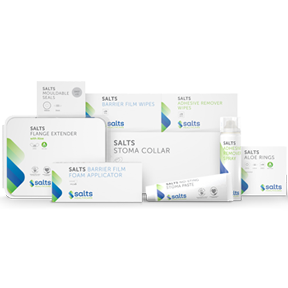
What products might you need?
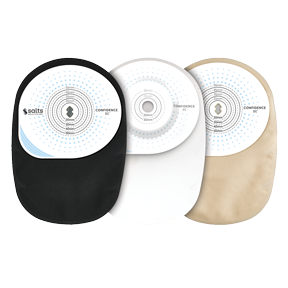
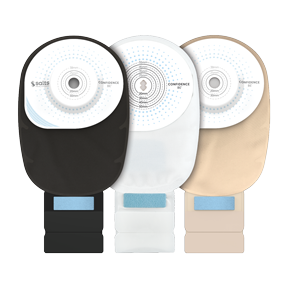
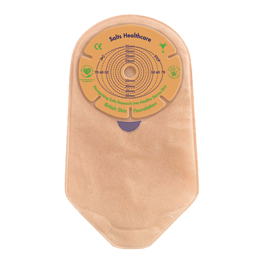
- Stoma bags (pouches): Available in one-piece and two-piece systems, with different sizes, shapes, and materials.
- Skin protectives: Wipes, sprays, or creams used to add an extra layer of protection between your skin and the stoma output.
- Adhesive removers: Sprays or wipes that help you gently peel away the pouching system without hurting your skin.
- Accessories: Physical additions like support belts or flange extenders (security tape strips) that provide extra physical security and peace of mind. discretion, and day-to-day comfort.
- Disposal supplies: Small disposal bags and dry wipes to help you change and discard your old appliance cleanly
Returning to normal activities
It is natural to worry about returning to work, exercise, socialising, and intimate relationships after stoma surgery. The good news is that with a few practical considerations, most people return to all the activities they enjoyed before.
When can I return to work with a stoma?
This depends on the type of work you do and how quickly you recover. Most people return to work within 4-6 weeks, though some may take longer. Speak to your employer about any reasonable adjustments you might need in the first few weeks.
Can I exercise and play sports?
Yes. Once you have recovered from surgery and your Stoma Care Nurse has given you the all-clear, you can return to exercise and sports. It's important to build up gradually, starting gently and increasing intensity over time, this helps reduce the risk of a parastomal hernia.
Many people find that a well-fitted stoma bag stays secure during physical activity. You may want to wear supportive clothing, a stoma support belt or a guard for added confidence.
What about holidays and travel?
If you are in the early weeks or months of recovering from surgery, your absolute first step must be to consult your stoma care nurse or surgical team to confirm you are safe to travel. Once you have the green light, planning ahead will make your journey much smoother. Always pack double the amount of stoma supplies you would normally use and keep them in your hand luggage if you are flying. It is also wise to research medical facilities at your destination beforehand.

Living with a stoma
Let us help you deal with all aspects of living with a stoma, from those first few weeks after surgery to everyday lifestyle advice, including travel tips, exercise, diet and relationships and much more.